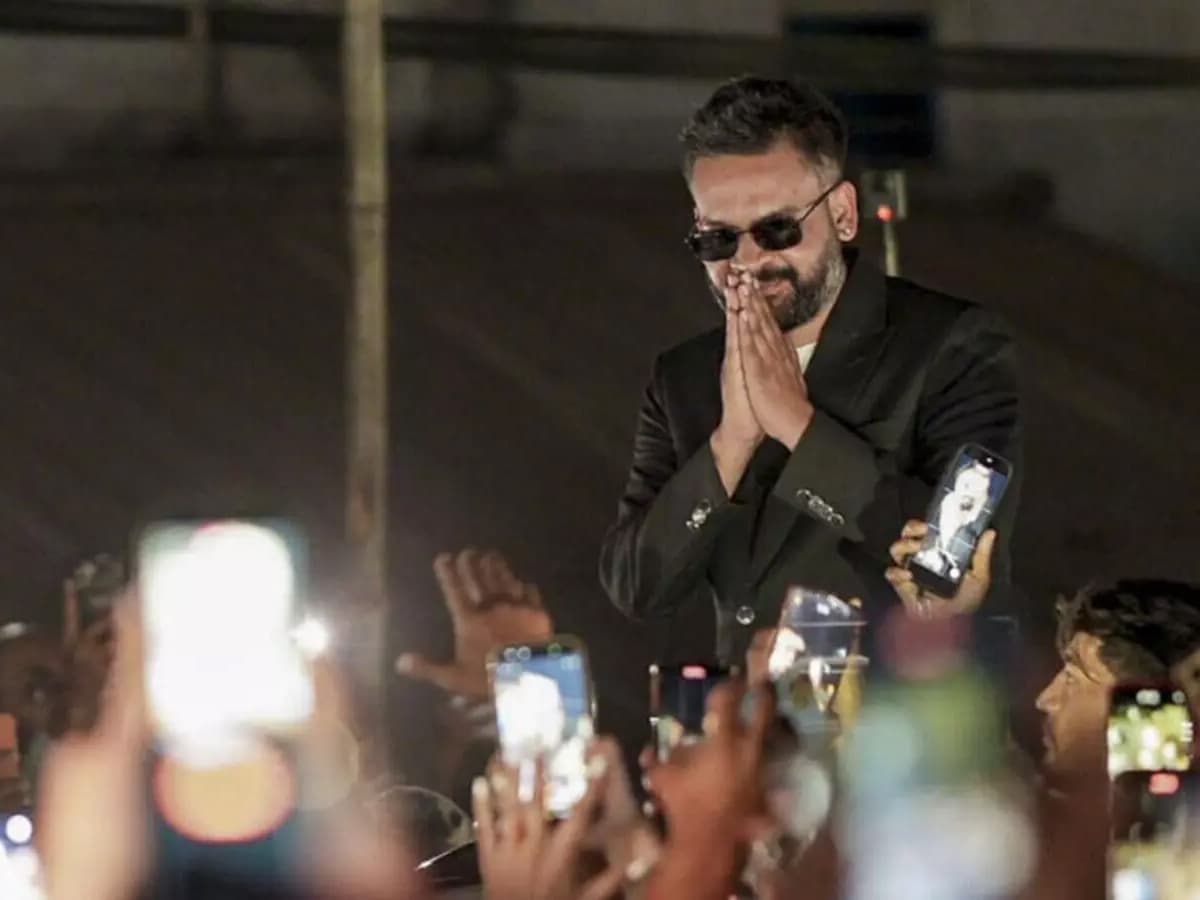
Last month in Nepal felt like the climax of a political movie no one thought would actually get made. After months of tension simmering from the Gen Z-led protests that toppled the old government in late 2025, the streets, social media, and every chiya pasal conversation kept circling the same question: when will the people get to choose a new direction?
I’m not someone who has ever been deeply interested in politics, but in the last couple of months I ended up learning more about it than I probably had in my entire life. It almost felt like I was studying social studies again except this time not to get marks on an exam. Instead, it was because the things we used to read about in textbooks protests, governments falling, elections shaping the future were actually happening around us in real time.
As a Jhapali, one question followed me everywhere: “Ghanti ki Surya?” People kept asking which side I thought would win and how strong Balen’s chances really were in Jhapa. The funny part is that I’m originally from Jhapa-5, the very constituency where KP Sharma Oli and Balen Shah were battling. It was basically the political equivalent of a heavyweight boxing match happening in your own backyard. But life has its own twists. My family had already migrated to Kathmandu years ago, so technically my vote belonged to Kathmandu, not Jhapa. Still, through constant calls and messages with relatives back home, I kept hearing the same thing: Balen actually had a real chance. Even then, I don’t think many of us expected what eventually happened.
When the results started coming in, it felt almost unreal. The Rastriya Swatantra Party didn’t just win in a few places it swept across the country. Constituency after constituency showed the same pattern: the Ghanti symbol leading by margins of two to three thousand votes, sometimes even more. What began as a competitive election quickly started looking like a nationwide wave. And suddenly the question was no longer whether Balen could win, but how big the victory would become and eventually he won by huge margin of more than 50,000 votes.
Now the election is over, the real question is simple: what happens next? With the huge victory of the Rastriya Swatantra Party and the rise of Balendra Shah, Nepal seems to be entering a completely new political phase. The election results showed a clear message from voters: people were tired of the old political system and wanted something different. Many young voters especially supported this wave of change. Balen, A structural engineer and former rapper who became mayor of Kathmandu only a few years ago, is now on the path to becoming one of the youngest prime ministers in Nepal.
That alone shows how dramatically Nepal’s politics has shifted.
As someone from the IT field, I’m especially curious about what the new government might do for technology in Nepal. The RSP manifesto puts a strong focus on digital transformation and building a digital economy. Their plan includes moving toward a “faceless” and “paperless” government where services are delivered online through tools like the Nagrik App, digital signatures, and integrated databases, which could make public services faster and more transparent. They also want to treat IT as a national strategic industry and grow IT exports by supporting startups, freelancers, and tech companies through digital parks, IT hubs, and better internet infrastructure. The manifesto also mentions exploring technologies like AI, cloud computing, data centers, fintech, and cryptocurrency regulation, as well as attracting digital nomads. If even part of these ideas are implemented, Nepal’s tech sector could grow significantly and create more opportunities for young professionals.
Anyway, I feel positive about the upcoming government based on what they have shown so far. That said, I know things in Nepal rarely go exactly as planned. There is always a risk that promises won’t be fully implemented, policies might get stuck in bureaucracy, or power could change people and priorities could shift. Corruption, political pressure, or lack of proper execution could slow down progress. From my perspective, I hope the country can build on this momentum and actually move forward, but I also understand that patience, constant public attention, and accountability will be key if the positive changes we hope for are going to really happen.
Jai Nepal